




Article: The Art of Detail: 6 Tips to Spot a Well-Made Bag, Every Time
The Art of Detail: 6 Tips to Spot a Well-Made Bag, Every Time
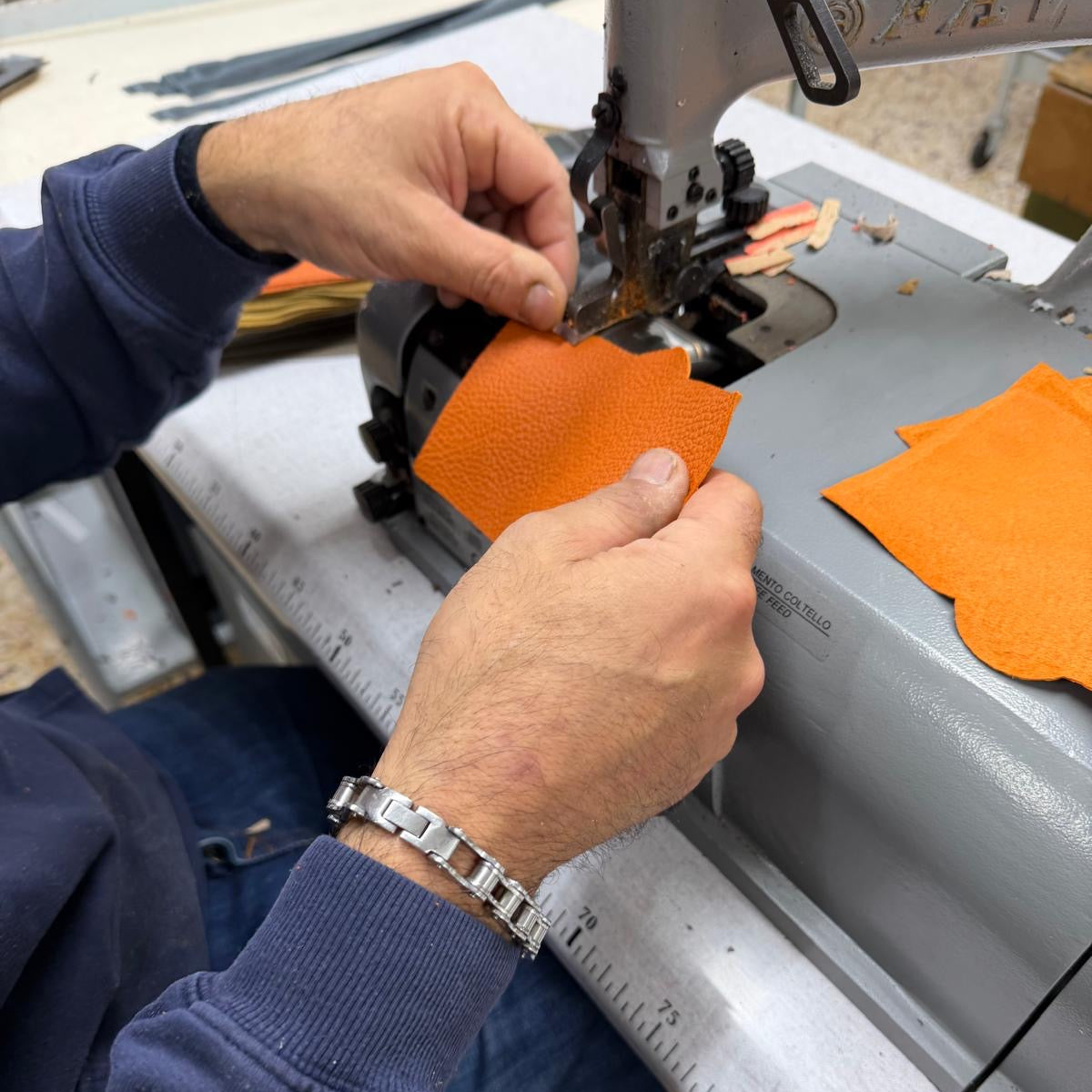
Choosing a bag is not just about its shape or color. Behind a beautiful design, something else is at play: precise gestures, carefully selected materials, and especially time. A sum of details invisible at first glance, but decisive in use: those that distinguish a merely aesthetic object from a companion capable of lasting. A few pointers are enough to recognize a well-crafted creation.
The Discreet Luxury of a Well-Made Bag
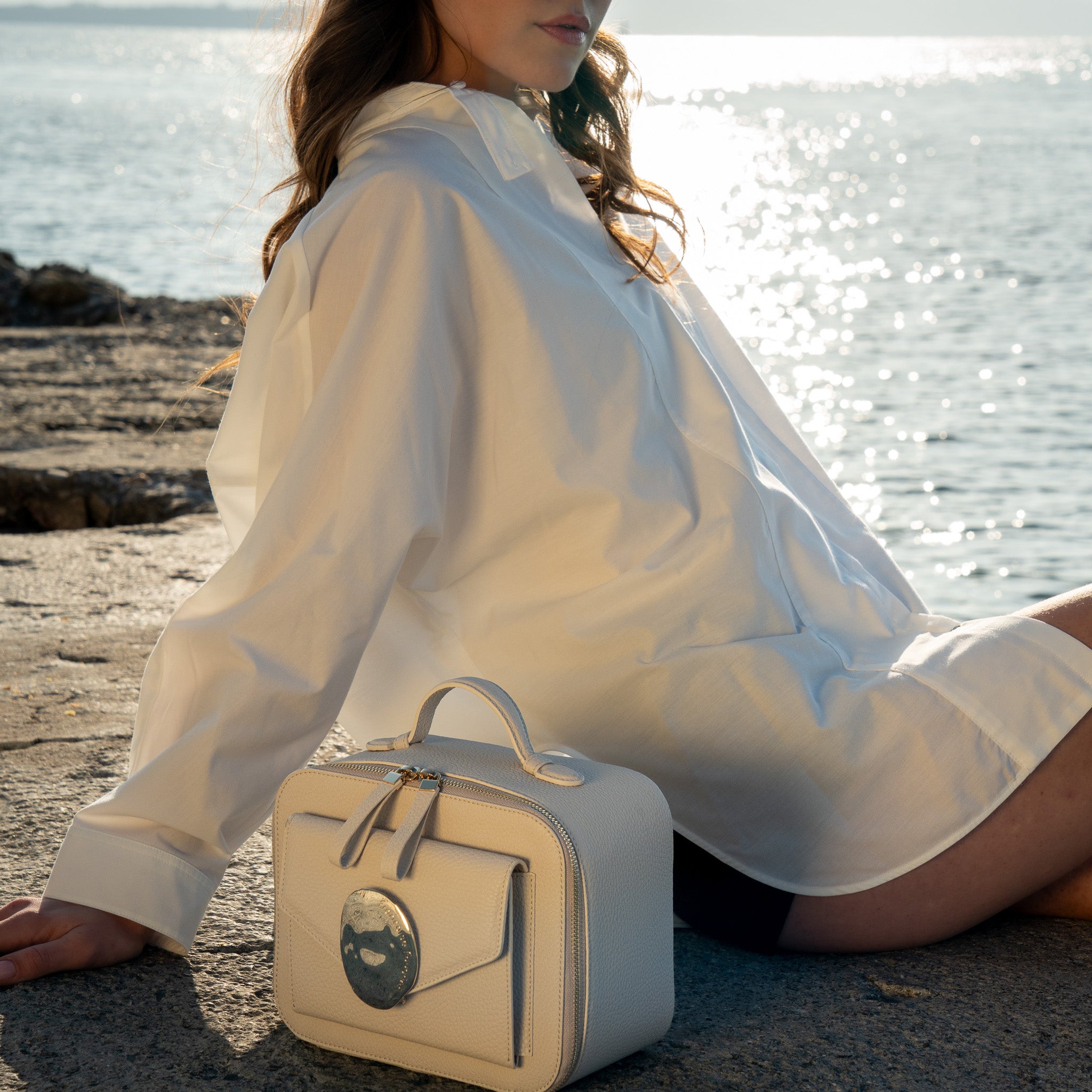
Some objects don't need to do too much to exist. They fit naturally in your hand. A beautiful bag reveals itself gradually, in its details, in its structure, in what it promises over time.
As our friend Coco Chanel said: “Luxury is what you don't see.” It all starts there.
1. Stitching, the first proof of attention
Stitching often provides the first clue. When mastered, a form of regularity is evident: the stitches are aligned, consistent, and perfectly taut. Nothing protrudes because nothing was done in haste.
Sometimes, a slight inclination appears — the saddle stitch — a signature of precise artisanal work. Conversely, irregular stitching, fraying threads, or skipped stitches betray less demanding manufacturing. Over time, these defects become visible, then problematic.


2. The Edges, a Detail Often Overlooked (Wrongly)
The edges of the leather often go unnoticed, yet they concentrate a large part of the craftsmanship. To the touch, the edge should remain smooth, regular, and free of roughness.
A beautiful finish results from several steps: dyeing, sanding, and reapplication. This superposition creates a slight, almost imperceptible roundness that durably protects the leather. A raw or irregular edge ages poorly, cracks, and frays. The detail may seem minor, but it determines the bag's longevity.
3. The Suppleness and Scent of Leather
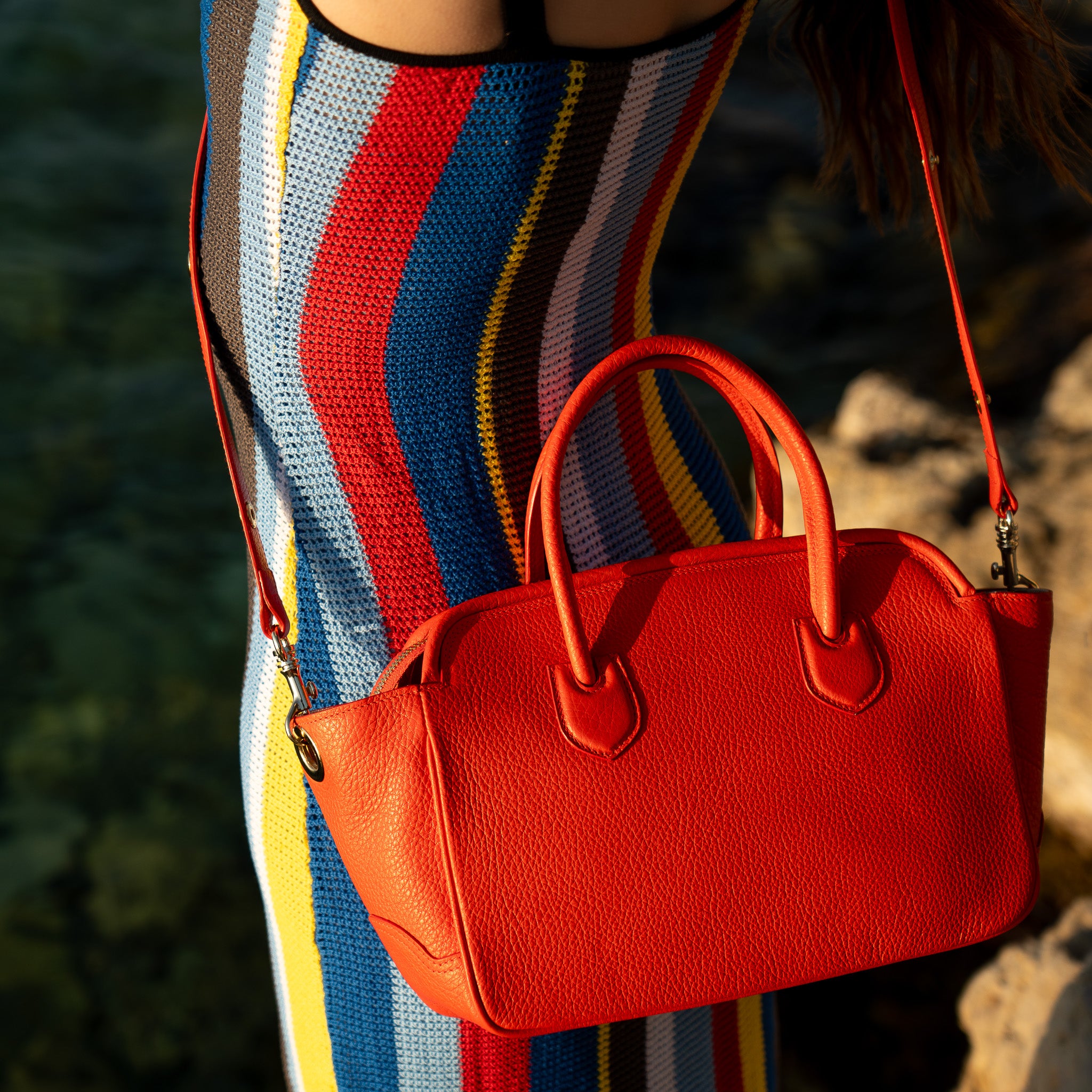
Leather immediately appeals to our senses! First by its clean, natural scent, without any chemical notes, then by its texture.
Quality leather exhibits controlled suppleness (what we call “hand” in the trade). It moves with the body, then returns to its shape without creasing. A certain vibrancy is evident, a sign of a living material destined to evolve.
Conversely, leather that is too stiff or too smooth often gives an artificial, almost plasticky impression. It may look good initially, but it won't last.


4. Hardware that Carries Weight: Signature Clasps
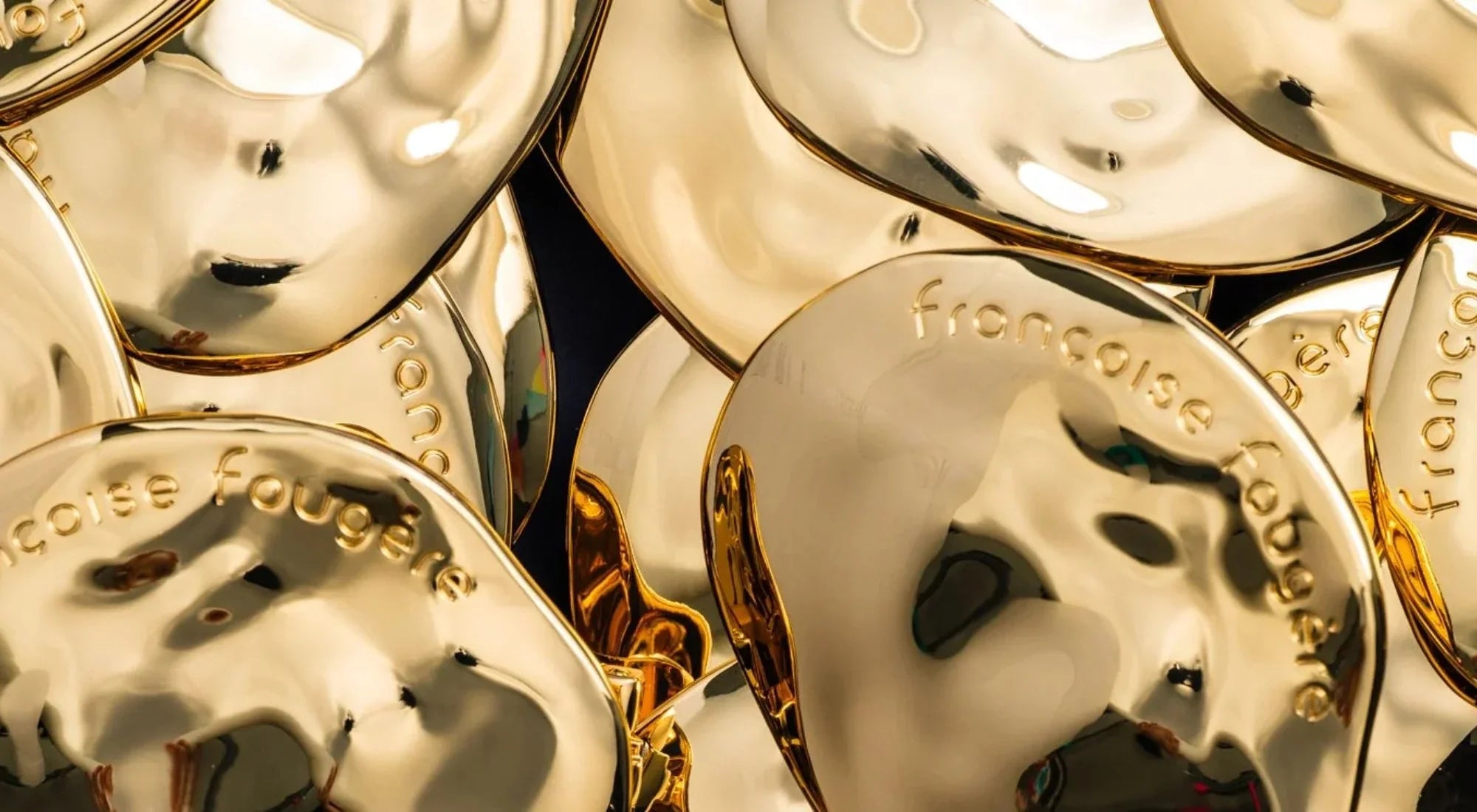
No, don't worry, Françoise is not into bling! However, metal elements play a discreet but revealing role. Their presence is felt by touch. A well-designed piece has a solid weight, a density.
The clasp opens and closes precisely, without unnecessary resistance. The finish, whether gold or silver, remains uniform, deep. A quality buckle is often made of solid brass or steel, not a lightweight alloy (zamac) that sounds hollow. These elements, often used, must withstand use without failing. Their quality determines the overall durability.

5. The Zipper, the Ultimate Test
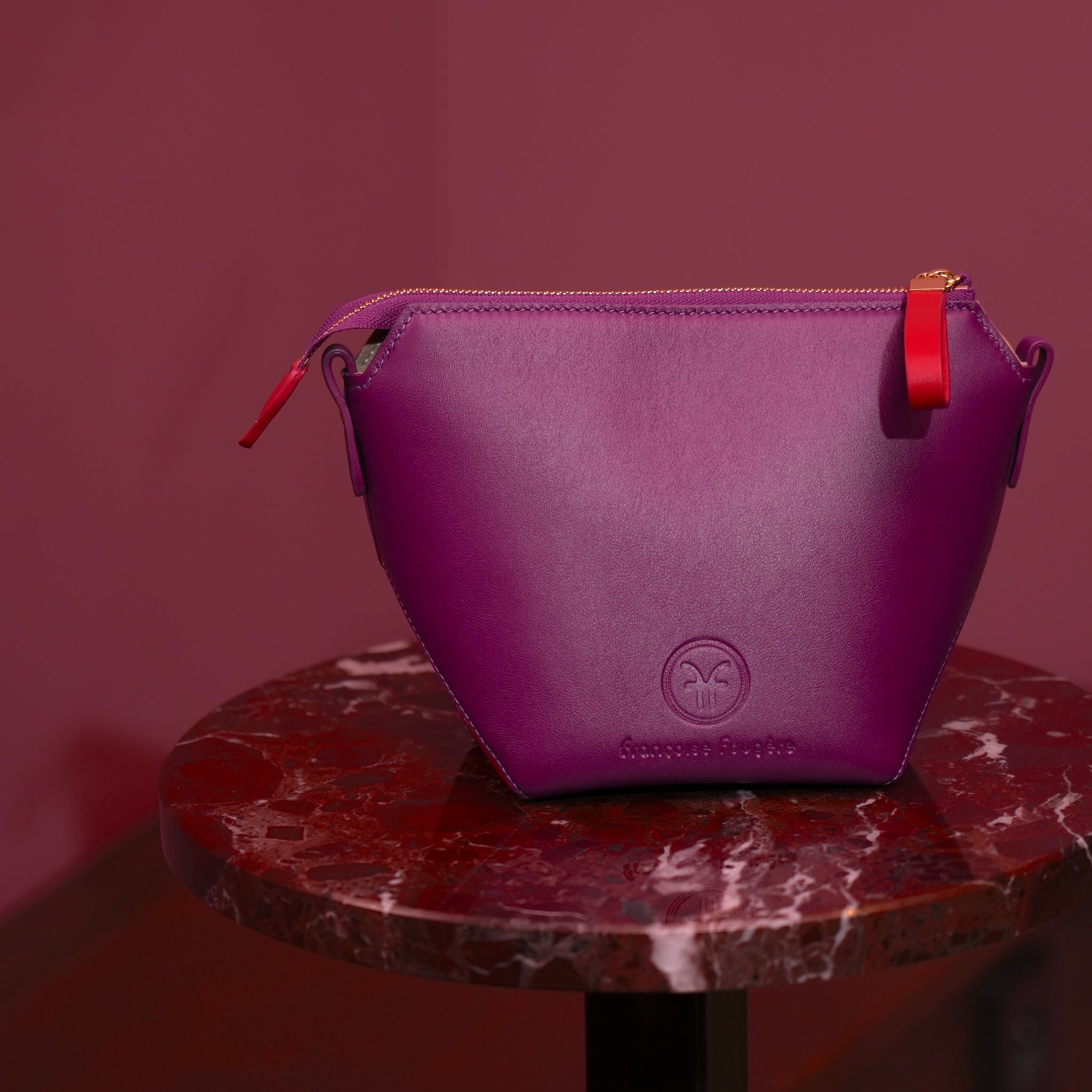
The zipper is a simple and immediate test. Its operation must remain fluid, without snagging or tension.
When well-made, it disappears into the movement. The teeth are regular, polished, without roughness. Nothing snags, neither the leather nor the lining. A zipper that resists or jams usually indicates rapid wear — and daily inconvenience.

6. An Interior as Refined as the Exterior
The interior often reveals the true level of attention. The lining must remain in place, without looseness or unnecessary creases. It supports the bag's structure without constricting it.
The choice of materials contributes to this coherence: suede, thick cotton, sometimes leather. This care, though less visible, reflects an overall demanding standard. Attention must be paid to the whole, not just what is seen.


